Building Better Customer Support Through People, Process, and Technology
Hello,
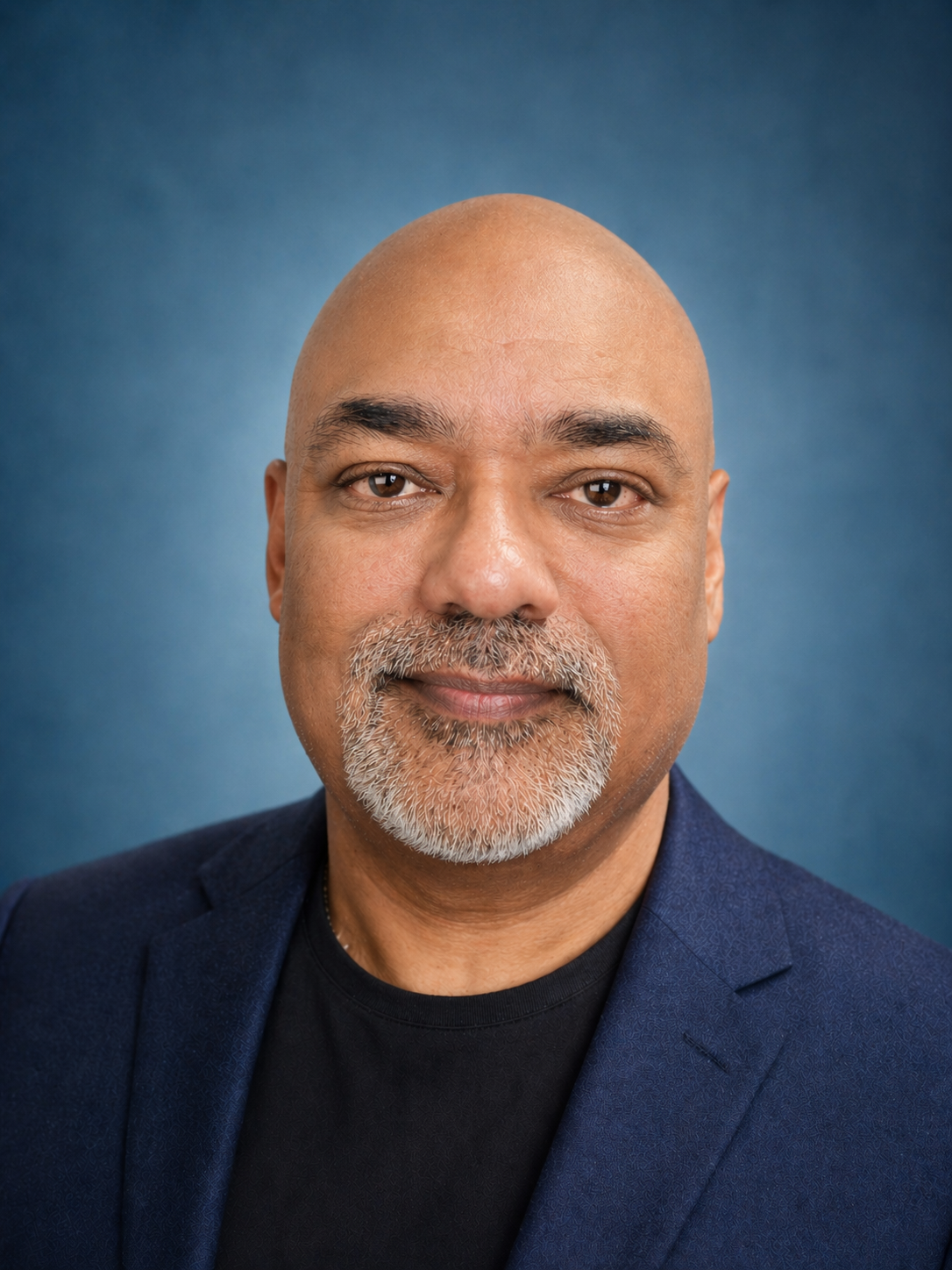
I’m Mohamed (Mo) Bhimji. I’m a customer support and operations leader with more than 20 years of experience building, leading, and improving customer support organizations across SaaS, fintech, and customer service environments.
Much of my career has been spent walking into complicated operational
problems and figuring out what is really happening underneath them. Sometimes the issue is process. Sometimes it’s technology,
unclear metrics, a growing backlog, inconsistent coaching, or teams that have simply outgrown the systems that once worked for them.
Usually, it’s a combination of several things.
I enjoy untangling those problems and building practical systems that make support easier to manage, easier for employees to deliver, and better for customers to experience.
Need Help With Your Customer Support Operation?
In addition to leadership roles, I’m available to work with organizations that need experienced support and customer operations guidance without necessarily adding another permanent executive to the team.
You may have a support organization that has grown faster than its processes. Perhaps escalations are increasing, service levels are slipping, your KPIs aren’t telling you enough, or managers are spending so much time fighting fires that they have little time to actually lead.
Or things may be working reasonably well, but you know they could work better.
I can help you step back, understand where the friction is coming from, and develop a practical path forward.
 Book a 30-Minute Conversation
No sales pitch. Just a conversation about what you’re dealing with, what you’re trying to accomplish, and whether I can help.
How I Can Help
My work sits at the intersection of customer experience, people leadership, technology, and operational improvement.
Depending on the organization and the problem, that can include:
-
Support operations assessment: Examining workflows, team structure, escalations, service levels, tooling, handoffs, and operational bottlenecks.
-
Metrics and KPI development: Identifying the measures that actually help leaders understand performance, customer experience, capacity, and improvement opportunities.
-
Backlog and escalation improvement: Looking beyond the numbers to understand why work is accumulating or customers are escalating, then addressing the underlying causes.
-
Support process design: Creating clearer workflows, escalation paths, ownership models, playbooks, and operating practices as teams grow.
-
Coaching and quality programs: Building coaching approaches that improve performance while helping employees develop judgment, confidence, and ownership.
-
Support team scaling: Helping organizations think through roles, responsibilities, tiering, skills, capacity, and the operating structure needed for growth.
-
Cross-functional support operations: Improving how Support works with Product, Engineering, Customer Success, Sales, and other teams when customer issues cross organizational boundaries.
-
AI and automation strategy: Identifying where AI and automation can genuinely improve support operations while keeping human judgment where it matters.
I’m particularly interested in problems where the answer isn’t simply “add more people” or “buy another tool.” The more useful question is usually: Why is this happening in the first place?
Leadership Impact
Throughout my career, I’ve focused on measurable improvement while building teams that can sustain those improvements without constant intervention.
Some examples include:
-
Improved CSAT from 3.90 to 4.78 through targeted coaching and operational improvements.
-
Built and led high-performing support teams across SaaS and fintech environments.
-
Reduced cust
-
omer escalations by 85% by turning an individual coaching opportunity into a broader team coaching framework.
-
Partnered closely with Product and Engineering to address customer issues, operational friction, and recurring support problems.
-
Used operational data to identify trends, root causes, coaching opportunities, and areas where processes could be improved.
Metrics matter, but I’m much more interested in what is producing the metric. A dashboard can tell you that response time is getting worse. It cannot, by itself, tell you why.
That curiosity about the why behind an operational problem has shaped much of how I work.
How I Lead
I believe great leaders don’t solve every problem themselves. They create an environment where people develop the skills, confidence, context, and authority to solve increasingly difficult problems on their own.
My role as a leader is to remove obstacles, establish clear expectations, provide meaningful coaching, build trust, and create systems that help people succeed.
That means accountability matters, but so does psychological safety. Data matters, but so does context. Process matters, but a process that makes employees’ jobs unnecessarily difficult eventually becomes a customer problem too.
One principle has stayed with me throughout my career:
I don’t measure my success by how many problems I solve. I measure it by how many people I’ve developed who can solve problems without me.
Coaching and People Development
Coaching isn’t something separate from how I manage. It is part of the operating system.
I focus on helping people understand not just what they should do differently, but why. That means coaching behaviours rather than personalities, encouraging self-reflection, turning individual lessons into team learning where appropriate, and recognizing improvement rather than focusing exclusively on final results.
I’ve found that some of the strongest operational improvements begin this way. A recurring escalation, difficult customer interaction, or performance issue may initially look like an isolated problem. Look closely enough, and it can reveal an opportunity to improve training, documentation, process, tooling, or the way the entire team approaches a situation.
Good coaching improves people. Great coaching can improve the system around them.
Operational Excellence Without Process for Process’s Sake
I like process, but I don’t believe in creating process simply because a box on a flowchart is empty.
Processes should solve problems.
The same applies to technology, dashboards, AI, automation, and metrics. Each is a tool. None is the objective.
The objective is to create an operation in which employees understand what good looks like, leaders can see what is happening, customers receive consistent support, and the organization can learn and improve as conditions change.
That is where I do my best work.
Let’s Talk
If you’re trying to strengthen a customer support organization, improve an operation that isn’t performing the way you want, prepare a support team for its next stage of growth, or simply want an experienced outside perspective on a problem, I’m happy to have a conversation.
You don’t need to have the solution figured out before we talk. That’s often the point of the conversation.
You can also connect with me on LinkedIn or read my latest articles on customer support, leadership, operations, AI, and the changing world of work.
Beyond Work
I’m fascinated by how AI, automation, and emerging technologies are changing customer support and operations, but I’m equally interested in the human side of that change.
Technology can remove repetitive work, surface information faster, and help organizations operate at a scale that wasn’t previously possible. The interesting challenge is deciding where technology helps, where human judgment still matters, and how organizations bring the two together thoughtfully.
The best customer support organizations aren’t built on metrics alone. They’re built by people who continually improve the systems, technology, decisions, and relationships behind those metrics.
That’s the kind of work I enjoy.