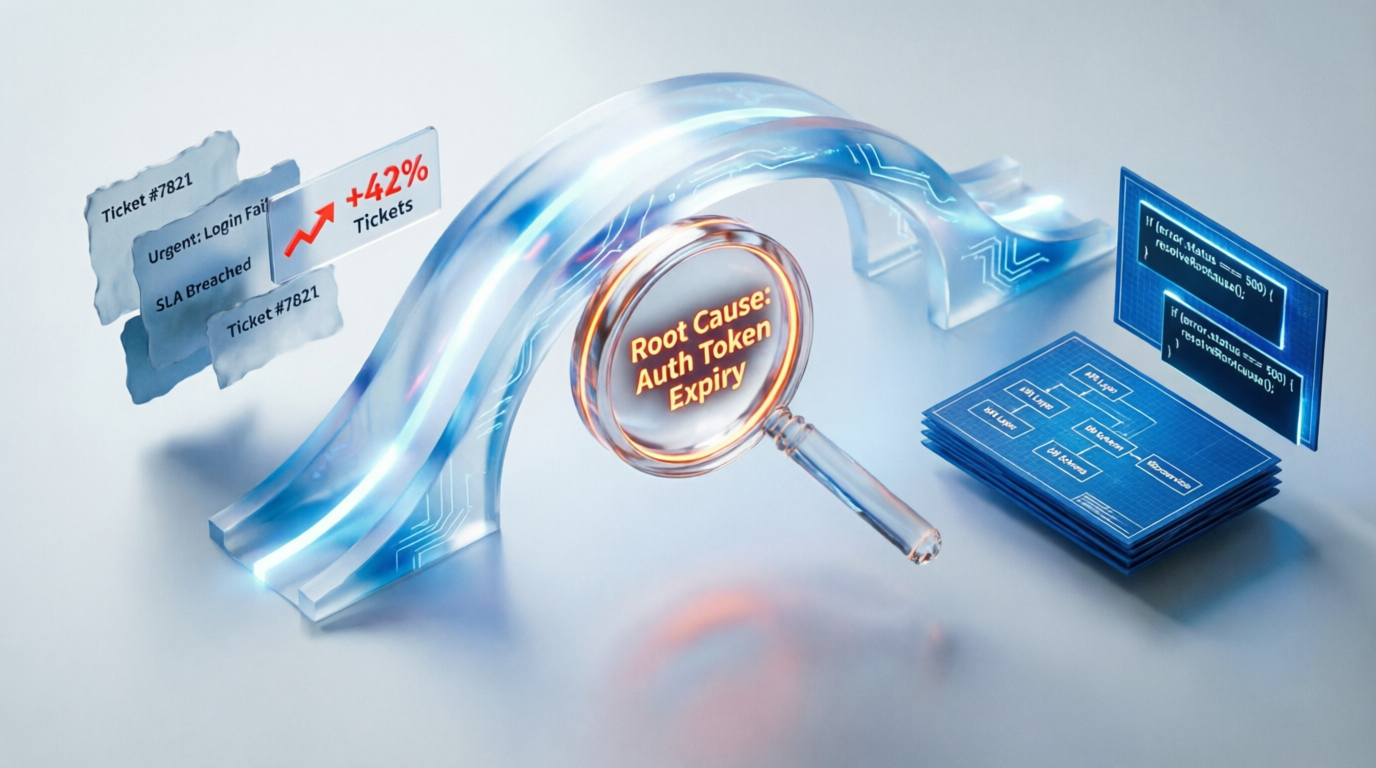
Support teams are getting better at measuring symptoms, but still struggle to cure the disease.
We’ve become incredibly proficient at tracking lagging indicators in customer support: CSAT, QA scores, and ticket volumes. We can tell you exactly that customers are frustrated, and how many of them are reaching out.
But too many organizations still struggle to identify the operational root causes creating that demand in the first place.
The real maturity in a support organization isn’t just handling tickets faster; it’s closing the feedback loop between Support, Operations, Product, and Engineering to eliminate the need for the ticket entirely.
But how do you actually close that loop without it just becoming another unproductive meeting? Here is what has worked for me:
1. Institutionalize Weekly Cross-Functional Check-ins Ad-hoc escalations don’t build systemic change. Establishing a standing, weekly cadence with Product and Engineering ensures that support insights are consistently on their radar, not just during crisis moments.
2. Leverage the Scrum Master as the Ultimate Translator Support speaks “customer pain,” and Engineering speaks “technical debt.” The Scrum Master is the perfect bridge. By routing support trends through them, we can translate vague customer complaints into structured, prioritized, and actionable backlog items that fit naturally into the sprint cycle.
3. Maintain Direct Lines to Product/Eng Leadership While the Scrum Master handles the tactical backlog, having a direct, trusted channel to Product or Engineering Managers is critical for systemic, high-impact issues. This ensures that root-cause fixes are championed at the leadership level, rather than getting lost in the weeds.
Measuring support performance is table stakes. The real goal is using support data to make the product better, which in turn makes the support team more strategic and less reactive.
I’m curious to hear from others: How is your team bridging the gap between Support and Product/Engineering? What mechanisms have you found that actually drive root-cause resolution?
#CustomerSupport #ProductManagement #CustomerExperience #OperationalExcellence #TechLeadership
About The Author